Circular making
We minimise the use of natural resources at every step by imagining, producing and distributing our products and experiences in ways that reduce carbon emissions and waste.
By moving towards a more circular business model, we can preserve and regenerate natural resources throughout our value chain - from the way we design our products, source and transform raw materials, package and distribute our brands, and eventually reuse or recycle our bottles and by-product from distillation.
As well as consistently working to reduce our carbon footprint, we are committed to preserving water at every step. Water is essential throughout our business. It helps our ingredients grow, and is a core part of our processes: from mashing, fermenting, cleaning, and distilling, to bottling and recycling. So, our Group has a strong focus on preserving and replenishing water: optimising how we use water and protecting water quality.

Throughout the lifecycle of our products, we are working on ways to reduce the environmental impact of our packaging. From ecodesign principles to circular distribution pilots, we are partnering with our suppliers and collaborating across teams to find solutions and define new industry standards.
99% of our packaging is reusable, recyclable or compostable
-42% reduction in scope 1 & 2 emissions vs. FY22
-10% reduction in scope 1 & 3 FLAG emissions vs. FY22
-13% reduction in scope 3 non-FLAG emissions vs. FY22
Driving circularity in packaging
We want to play a key role in defining industry standards for circular packaging solutions. In October 2024, we launched a new global packaging policy to clarify the standards all packaging has to meet, including expectations in terms of materials, weight, glass colour and outer packaging.
Even though we are very close to meeting our target for all packaging to be recyclable, reusable or compostable - 99% this year - we are always looking for ways to develop more sustainable solutions.
Some of this year’s highlights include:
- Aberlour launched a new glass bottle using 16% less glass than the previous version, equivalent to removing 213 tons of glass per year.
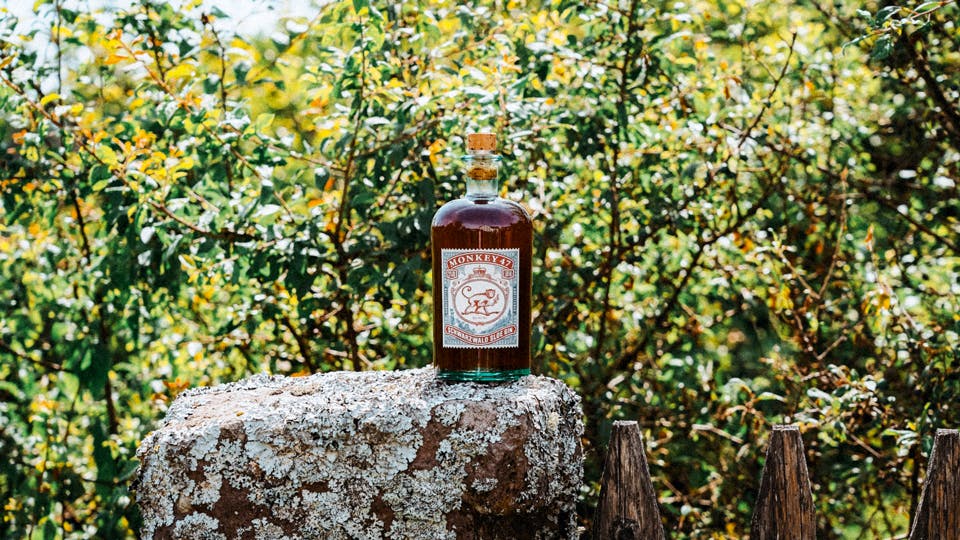
- Monkey 47 Sloe Gin unveiled a new bottle made from 95% post-consumer glass - up from 18% recycled content previously.
- Following the trial of “Absolut Paper” - a bottle made with 53% paper with an integrated barrier of recyclable plastic - Absolut Vodka has now found a prototype for a paper-based cap and is one step closer to a fully bio-based bottle.
- Maison Martell’s partner Verallia opened a new 100% electric glass furnace in its Cognac site.
- Pernod Ricard North America joined the “Don’t Trash Glass” programme in Chicago - a glass recycling initiative to send glass waste from bars and restaurants to be recycled and supply local glass manufacturers with cullet.