
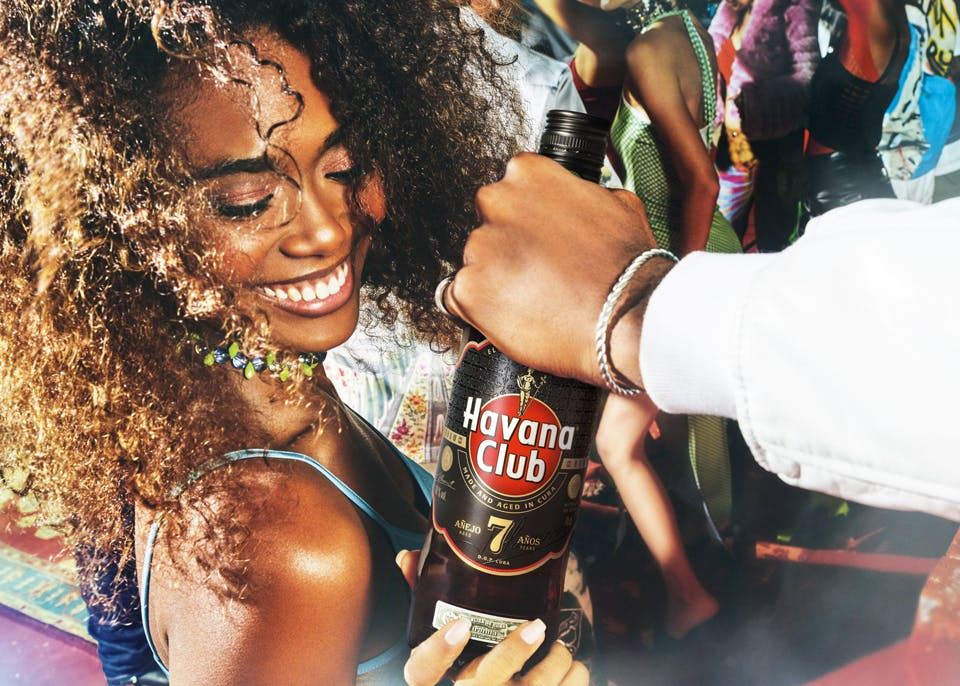
Female empowerment
Female empowerment continues to rise and shape category performance and consumption occasions. The global rise of apéritif culture is opening up new conviviality spaces and rituals that favour lighter, lower-alcohol choices that are often more appealing to female consumers than the consumption occasions that historically predominated(2). Find out more about apéritifs on page 43. In contrast, we continue to see growing adoption in traditionally male-dominated categories like whisky. New flavours and expressions within our portfolio are removing barriers to entry either of age or gender. In markets like India and South Africa, women are increasingly driving growth in premium-and-above spirits.
The evolving middle class
The middle class (those earning $11-$110 a day) continues to expand globally and is forecast to total 4.8 billion consumers by 2030. As more people join this class, many consumers have increasing potential to spend on conviviality offerings in line with evolving aspirations. This shift is most pronounced in the East and represents a significant growing consumer base. China and India continue to stand out as the most dynamic countries for middle-class expansion, driven by high population growth and rapid economic advancement. China is also projected to lead upper-middle-class growth (at 104% between 2022 and 2027), followed by the U.S. (at 46.5%)(3).
Ageing populations
While younger cohorts like Gen Z have dominated the headlines on conviviality trends (see below), our data indicates that the other end of the age spectrum will be a defining force for decades. Within Pernod Ricard’s key markets(4), individuals aged 65+ are projected to grow from 610 million to 830 million (+36%) between 2025 and 2035 (nine times that of the 35-64 population). These demographics are again dominated by China and India, whose 65+ populations will be more than double that of the other top five key markets combined by 2035(5). As this cohort expands, seniors are emerging as a key consumer segment for the alcohol industry. In the U.S., the share of adults aged 55+ who drink alcohol has increased from 49% to 59% in the past two decades(6).
Gen Z
While Gen Z contributes to the broader moderation trend in total alcohol, spirits remain largely unaffected. This shift towards moderation impacts more daily consumption - particularly beers and wine. Gen Z drinks less frequently but more intentionally, reflecting a clear “drink less but better” mindset. In that sense, spirits continue to resonate with this cohort, particularly relevant for this kind of more quality-driven, occasion-based consumption.
Curiosity and authenticity are defining traits for Gen Z, driving experimentation across product categories and formats, and opening space for portfolio innovation and compelling brand storytelling.(7) Their desire for authenticity also underpins a strong preference for real-life experiences over digital ones - making event-driven activations and immersive brand moments powerful levers for engagement. In the U.S., 74% of Gen Z say real-life experiences matter more than online ones.(8)